The TV Fell Off the Wall and I Won Anyway
How a broken wall mount, some rookie running backs, and twelve years of the same league turned into this site.

In 2014 I was sitting in my family's living room for my first-ever fantasy football draft when the television came off the wall mount. Not dramatically. It just gave up, tilted, and took my laptop connection with it on the way down. By the time I got back online, I had missed at least three rounds to autodraft.
I won the league that year.
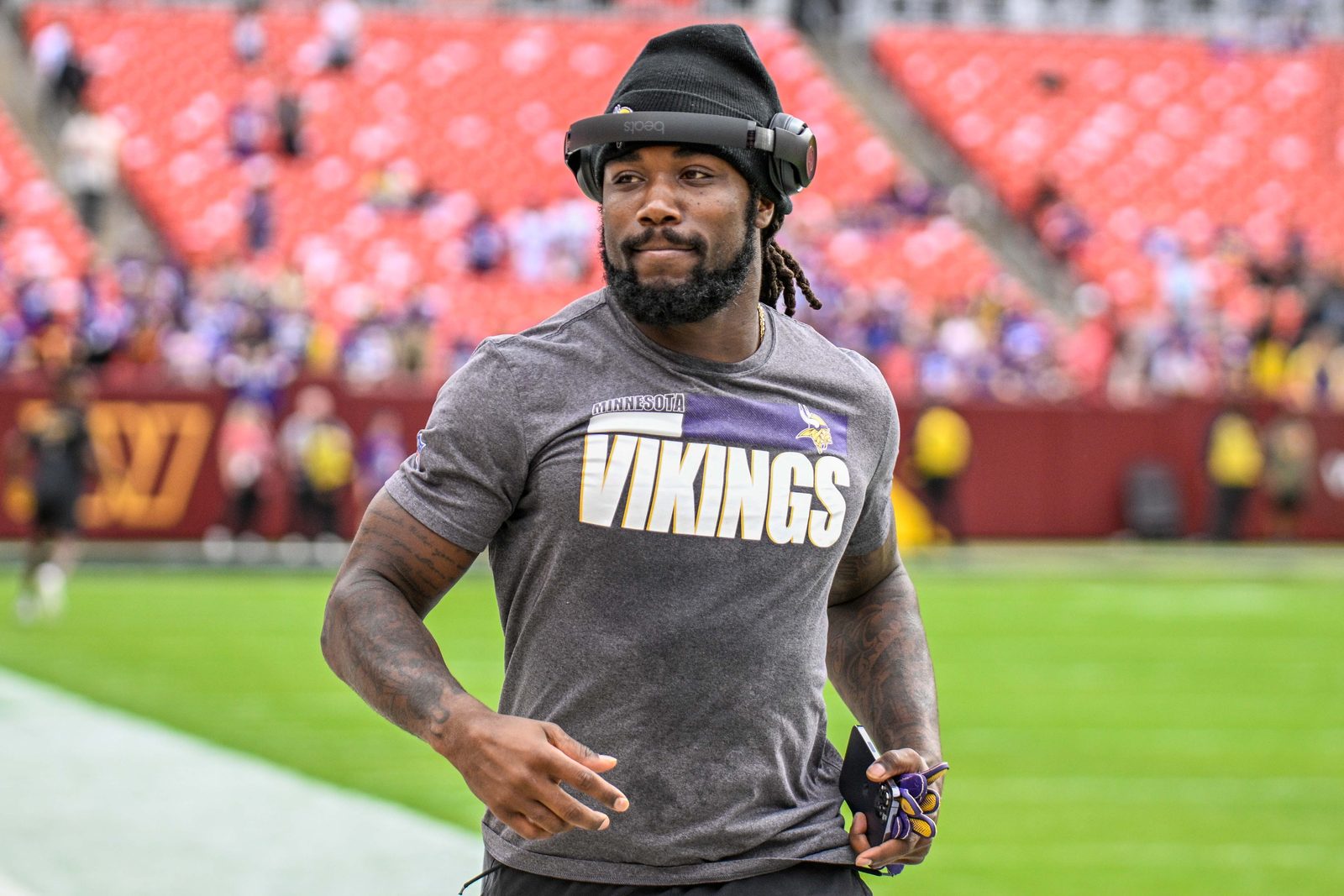
I have thought about that a lot in the twelve seasons since, because it is a genuinely annoying story to tell. It undercuts everything I would like to believe about preparation. That season, my friend Steve had spent weeks building what was, on paper, the best team in the league. Not a cuttable player on it. Waiver picks, great draft and trades (many questionable). I had a broken wall mount and a computer that picked for me, and I had Jimmy Graham as my first pick. Dez Bryant and Andrew Luck. And that turned out to be enough.
What I have decided it means is not that preparation is worthless. It is that most of what we call analysis in fantasy football is really just confidence, and the two are easy to confuse.
Twelve Years, Same League
That league still exists. Six of the original members are still in it. Everyone else has been there since 2017. Friends from high school started it, some friends of mine from college mixed in. We are not all experts, but strangely it is always competitive, people make great picks and develop great teams.
I have been the commissioner the entire time, which mostly means I am the person who gets texted at 11 AM on a Sunday about helping the league vote to push a trade through.
I have won it three times: back to back in the first two seasons, and once more recently in 2024. I have also finished as runner-up, and I have missed the playoffs outright, which I mention because a track record that only contains the good years is not a track record.
What I Kept Noticing
Somewhere around year six I started paying attention to something that bothered me and that nobody seemed to talk about.
Every fantasy site publishes rankings, and most update them every week. What I wanted was the part in between: how far a player moved since last week, and why. When a guy goes from 14 to 22, that move is the information. It tells you something changed in his role, his offense, or the way I am reading him. So every ranking here is rest of season, every player carries his change from the week before, and last week's file stays exactly where it was so you can go back and check.
Baseball has had this for a while. Pitcher List has published rolling rankings with visible movement for years, and it works because the movement is the information. Football has never had a focused version of it, at least not one I have found.
That is the gap my site exists to fill.
What The Weekly Rank Actually Is
Rest-of-season fantasy football rankings, published weekly, with a change column showing exactly how far each player moved and why.
Three rules I am holding myself to:
Every ranking is dated and permanent. The archive is not editable. If a call was wrong, it stays wrong and visible.
The change column is computed, never typed. It is generated by diffing this week's file against last week's. I could not quietly adjust it if I wanted to.
Movers get explanations. A player who jumps nine spots gets a reason, in plain language, tied to something specific.
The Numbers, and the Part the Numbers Miss
I have built a set of metrics to explain movement. Opportunity trends across every skill position. Role clarity for running backs: not how many touches, but what kind, split across early downs, third downs, red zone, and two-minute. Scheme fit for receivers, which matters most right after a coordinator change. A passing environment index for quarterbacks.
There is a full methodology page if you want the mechanics.
But I want to be clear about something, because it would be easy to oversell this. The metrics are built from public data, the same play-by-play anyone can download. What I keep private is how they are weighted. And they do not touch the rank directly; each one moves a specific stat, so that when a player climbs nine spots I can point to the number that moved and the reason it moved. Where my own judgment disagrees with the model, that adjustment is separate, visible, and comes with a written reason. You will always be able to see which one won.
The clearest example is a habit I have had since 2017.
The Flag Plant
Every year I pick one rookie running back and commit to him before the season starts. Not a sleeper list. One name.
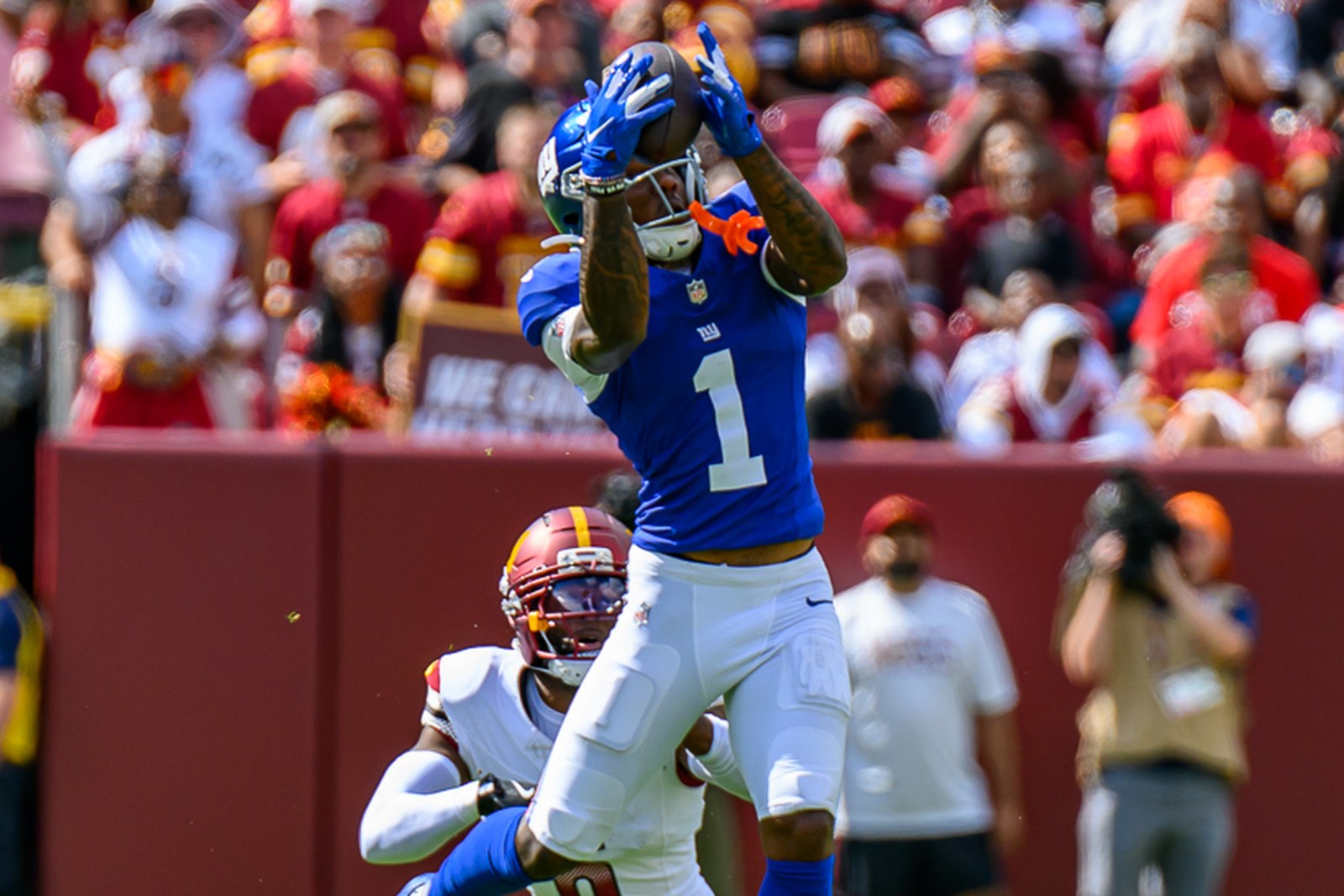
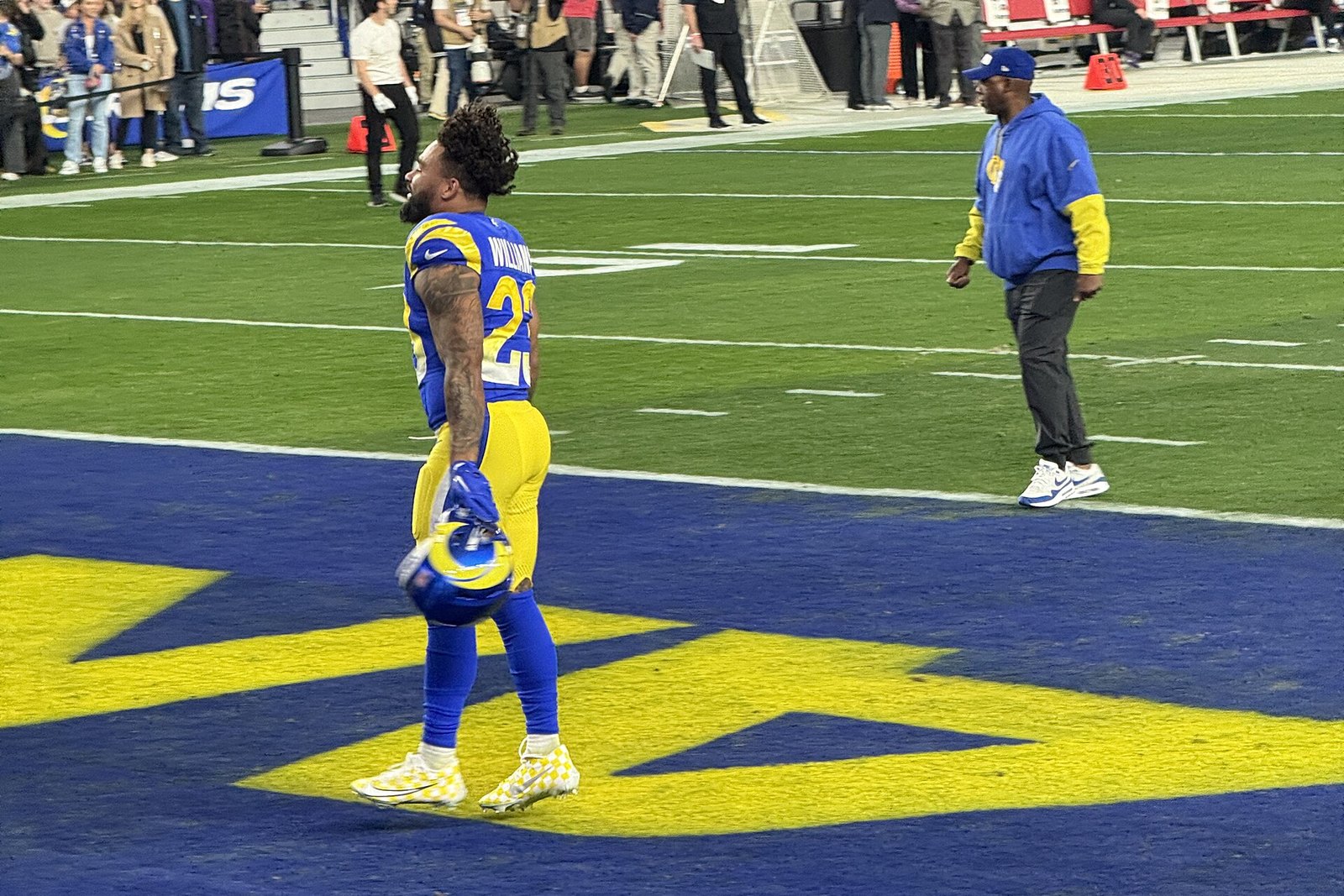
Cook. Montgomery. Gibson. Javonte Williams. Kenneth Walker. Gibbs. Henderson.
That call has never come from a spreadsheet. It comes from watching someone and seeing something the consensus has not priced yet. Sometimes that is a read on a coaching change nobody has connected to the personnel. Sometimes it is just how a guy moves when the first read is not there.
It is the least defensible thing I do and the thing I am most confident about, which I recognize is a strange combination. I publish it before Week 1, on the record, and I grade it honestly when the season ends. Here is the running list.
Who Is Writing This
Costa Angelakis. Marketer by day, which is relevant only in that I understand audiences and distribution, and it explains why this site looks like something rather than nothing.
I am not a former scout. I have no insider access and I am not going to pretend otherwise. What I have is twelve years of doing this seriously, a habit of writing down my calls before I know how they turn out, and enough respect for the people who built this space to try to add to it rather than repackage it.
If you have been reading Matt Harmon, JJ Zachariason, Matthew Berry, or the Fantasy Footballers for years like I have, you will recognize what I am trying to do here.
What to Expect
Rankings every week during the season, starting in September. Explanations for anything that moved more than a few spots. One rookie call a year that I will live with publicly. And an archive that does not get edited.
I can't wait to participate in this space and hopefully help some of you win your leagues while looking at things in a new way.
Find me at @theweeklyrank.